10 Practical Tips for Buying Groceries on a Budget
Many aspiring entrepreneurs focus entirely on making more money, completely ignoring the leaks in their current spending. But here is the truth: optimizing your household spending is the fastest way to increase your personal profit margins. By learning how to buy premium groceries on a budget, you instantly free up hundreds of dollars a month. That is untaxed capital you can immediately redirect into passive income investments, a work from home business, or other digital income streams. Let’s dive into how you can eat like royalty while saving like an investor.
What You’ll Need to Get Started
Treating your household kitchen like a business requires the right infrastructure. Before you hit the supermarket aisles, you need to gather your tools. Here is your essential toolkit:
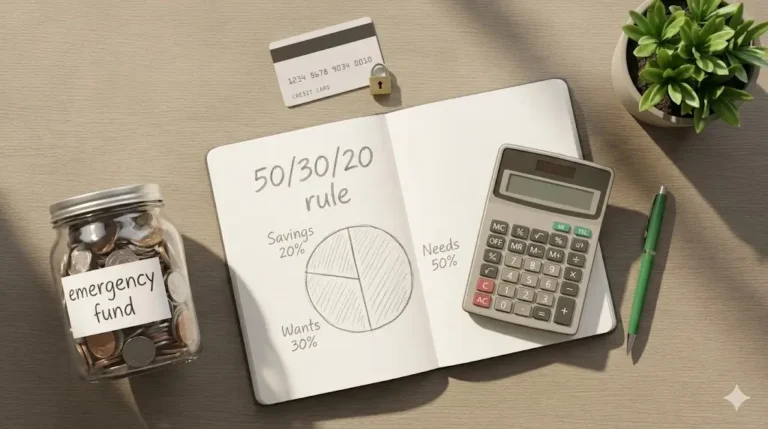
- A Digital Budgeting Tool: Apps like YNAB or a simple Google Sheet to track your new “revenue streams” (your savings). (Cost: Free to $15/month)
- Cashback & Rebate Apps: Ibotta, Fetch Rewards, or Rakuten downloaded to your smartphone. (Cost: Free)
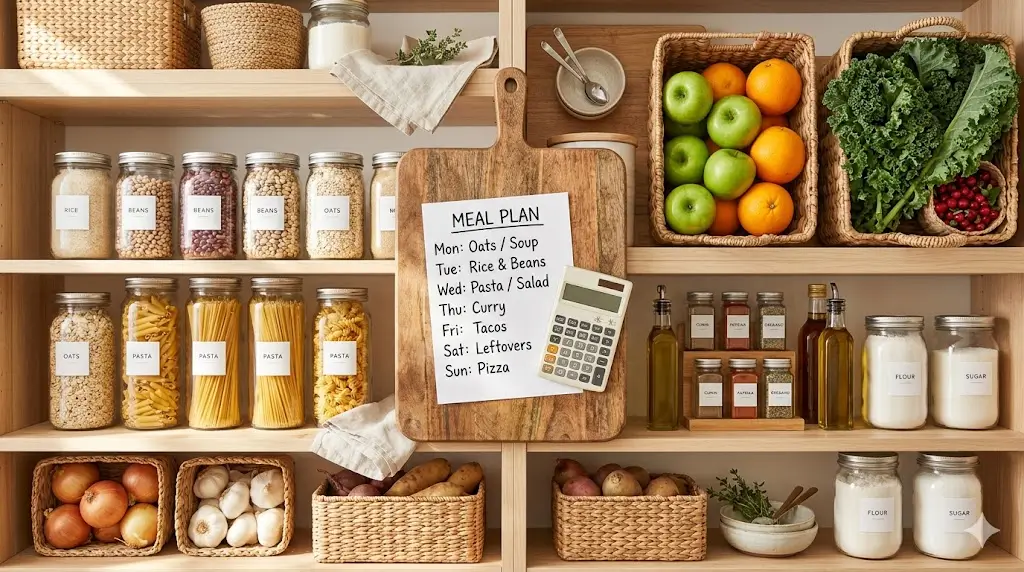
- A Weekly Meal Planning Template: To map out your inventory before you buy. (Cost: Free)
- A “Seed Capital” Savings Account: A separate high-yield account where you will transfer your grocery savings to fund your online earnings later. (Cost: Free)
- Initial Investment: $0. You only need a willingness to change your shopping habits.

Time Investment
Building a sustainable system for groceries on a budget is not a full-time job, but it does require a slight shift in your weekly routine.
- Setup Time: 1 to 2 hours for your first comprehensive pantry audit and meal plan setup.
- Weekly Commitment: 30-45 minutes per week to check digital flyers, clip virtual coupons, and finalize your list.
- Timeline to First Earnings: Immediate. Most beginners see dramatic results and instant cash savings on their very first grocery trip.
- The ROI: Spending 45 minutes a week to save $150 equates to earning $200/hour (pre-tax). Compare this with traditional income methods, and it’s clear that smart shopping is one of the highest-paying weekly tasks you can do.
Step-by-Step Implementation Guide: 10 Ways to Save
1. Conduct a “Reverse” Pantry Audit
Before looking at what you need, look at what you have. Build your meal plan around the forgotten pasta, canned goods, and frozen proteins already sitting in your kitchen.
- Pro Tip: Treat your pantry like inventory. Using what you have drastically lowers your weekly upfront costs.
2. Digital Meal Planning & Flyer Mapping
Never walk into a store without a list. Use apps like Flipp to view all local grocery flyers. Build your meals specifically around the “loss leaders” (heavily discounted items on the front page of the flyer).
3. Stack Cashback Monetization Strategies
Turn your grocery receipts into a side hustle. Buy your groceries, then scan the receipt into apps like Fetch or Ibotta.
- Insider Trick: You can stack these! Scan the same receipt into three different apps to multiply your rebate returns.
4. Strategic Bulk Buying
Buying a massive sack of rice or a whole sub-primal cut of meat lowers your unit cost significantly. However, only buy in bulk for items that are non-perishable or easily freezable.
5. Embrace the Store Brand (Private Label)
Store brands are often manufactured in the exact same facilities as name brands. Switching to private-label oats, canned beans, and spices can reduce your bill by 20% without a single drop in quality.
6. Implement “High-Margin” Meatless Meals
Meat is often the most expensive item in your cart. Swapping beef for lentils, beans, or chickpeas two nights a week is a massive boost to your budget’s profit margins.
7. Source Seasonal Produce
Buying strawberries in December is a luxury tax. Stick to root vegetables in the winter and berries in the summer. Seasonal produce is abundant, fresher, and priced to sell.
8. The ‘Freeze-and-Preserve’ Method
Eliminate food waste to zero. If spinach is wilting, freeze it for smoothies. If bread is going stale, make croutons. Every item thrown away is lost income potential.
9. Shop the Perimeter
The center aisles of the grocery store are packed with highly processed, high-markup convenience foods. Stick to the outer edges (produce, dairy, fresh proteins) for whole, cost-effective ingredients.
10. Implement the 24-Hour Rule for Extras
If you see a non-essential item you want (like a fancy new snack or premium coffee gadget), wait 24 hours. This curbs impulse buying, keeping your groceries on a budget strategy intact.
Income Potential & Earnings Breakdown
How much can you actually “make” by optimizing your grocery spend? Let’s look at realistic savings ranges and how they translate into future wealth.
- Beginner (Months 1-3): $100 – $200 saved per month. Achieved by simply using a list and cutting food waste.
- Intermediate (Months 4-12): $250 – $400 saved per month. Achieved through bulk buying, meal planning around sales, and store brand swaps.
- Advanced (Year 2+): $500+ saved per month. Mastered coupon stacking, chest freezer utilization, and zero-waste cooking.
The Financial Freedom Translation: If you save $300 a month on groceries and redirect that into an index fund yielding 7%, you will have over $51,000 in ten years. Alternatively, using that $300/month to fund a digital side hustle or pay for online business tools can unlock infinite income potential.
Alternative Methods & Variations
If traditional supermarket shopping isn’t working for you, try these alternative approaches:
- Online Grocery Pickup: Removes the temptation of impulse buying entirely. You only buy exactly what is in your digital cart.
- Community Supported Agriculture (CSA): Buy a share of a local farmer’s crop. It provides a massive amount of high-quality, seasonal produce for a low upfront cost.
- Discount Supermarkets: Shopping exclusively at Aldi or Lidl instead of premium grocers can slash your bill by 30% without changing your meal plan.
Best Practices & Optimization Tips
To maximize your savings and time efficiency, implement these advanced hacks:
- Batch Cooking: Cook massive portions on Sunday and freeze them. This saves time during the workweek and prevents expensive last-minute takeout orders.
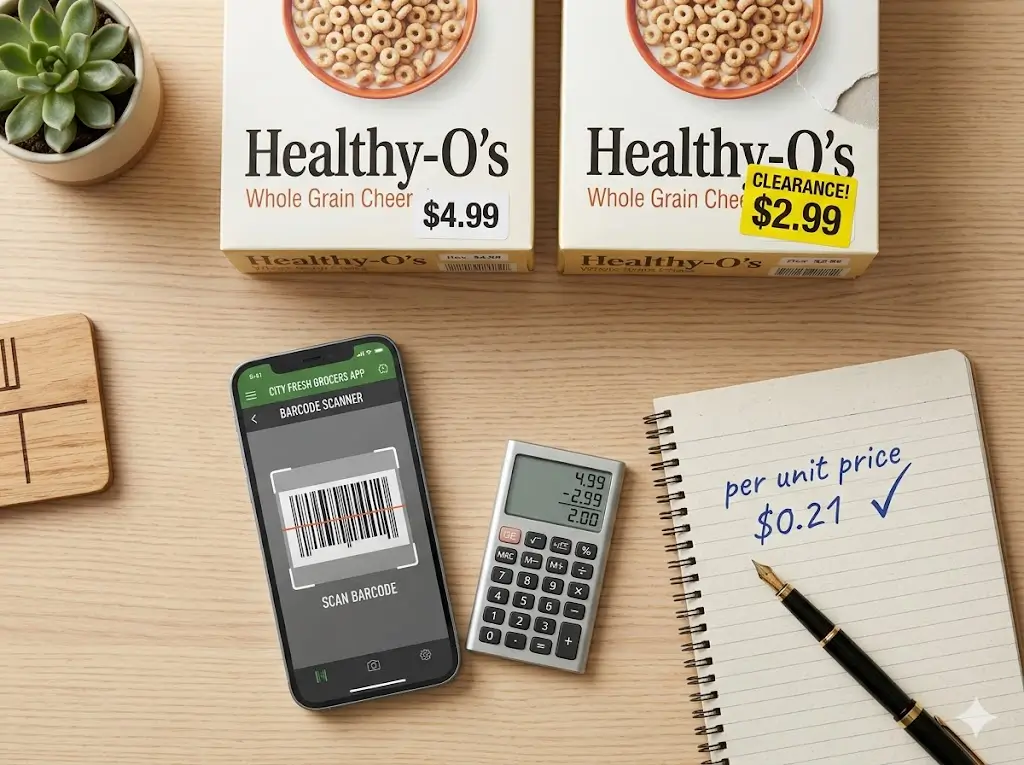
- Price Book Creation: Keep a small notebook tracking the lowest prices of your top 20 staple items. You will instantly know if a “sale” is actually a good deal.
- Credit Card Rewards: Use a no-fee cash-back credit card specifically for groceries (yielding 3-5% back), treating it like a guaranteed discount. Pay it off in full weekly.
Common Mistakes to Avoid
The path to mastering groceries on a budget has a few common pitfalls. Avoid these traps:
- The “Bulk-Buy Rot”: Buying 10 pounds of fresh spinach because it was cheap, only to throw 8 pounds away when it goes slimy. Prevention: Only bulk-buy freezable or dry goods.
- Shopping Hungry: Studies show shopping on an empty stomach increases your bill by up to 20%. Prevention: Always eat a snack before entering the store.
- The “10 for $10” Trap: You usually don’t have to buy 10 items to get the $1 price. Check the tag closely!
- Extreme Burnout: Trying to clip 100 paper coupons in your first week will lead to exhaustion. Start small with one digital app.
Long-Term Sustainability & Growth
Once you have successfully reduced your grocery bill, the key is what you do with the surplus cash.
- Reinvestment Strategies: Do not let lifestyle creep consume your savings. Set up an automatic bank transfer that moves your estimated weekly grocery savings directly into an investment account or a business fund for your digital income ventures.
- Automation: Automate the delivery of your heavy, non-perishable staples (like toilet paper or rice) through Amazon Subscribe & Save to lock in discounts and save time.
- Future-Proofing: Invest in a chest freezer. This allows you to capitalize on massive meat and produce sales, future-proofing your household against inflation.
Conclusion
Mastering how to get groceries on a budget is about much more than eating cheap meals; it is the ultimate strategy to reclaim your hard-earned money. By utilizing meal planning, cashback apps, and strategic shopping, you can save hundreds of dollars a month without sacrificing food quality. You can then redirect these new revenue streams into building passive income and achieving true financial freedom.
Ready to start your journey? Drop your biggest grocery budgeting questions in the comments below! Subscribe for weekly money-saving and money-making strategies, and share your progress in our community.
FAQs
How much money can I realistically make or save by doing this?
While results vary based on family size, an average household of four can realistically save $200 to $400 a month within their first 60 days by implementing basic meal planning and cutting out impulse buys.
Do I need prior experience to use coupons and cashback apps?
No prior experience is necessary. Modern apps like Ibotta or Fetch simply require you to take a photo of your receipt with your smartphone. It is entirely beginner-friendly.
What’s the initial investment to start shopping strategically?
The financial investment is zero. The only investment required is your time—about 30 to 45 minutes a week to plan your meals, check digital flyers, and write a firm shopping list before going to the store.
How long until I see results?
You will see immediate results on your very first grocery trip. By sticking strictly to a planned list and swapping to a few store-brand items, you will instantly notice a lower total at the checkout register.
Is this method still working in 2026 with high inflation?
Yes, it is more critical now than ever. With rising food costs, utilizing store loss-leaders, buying in bulk, and cooking seasonal, whole foods remains the most mathematically sound way to fight inflation at the household level.
What are the risks involved?
The only real risk is “coupon burnout” or buying perishable bulk items that go bad before you can eat them. You can mitigate this by starting slowly and only bulk-buying items you know you will consume.
Before you go, tap those stars!
Straightforward, no gimmicks, just solid banking advice
I clicked on this article expecting it to push some specific bank or financial product with referral links. I was pleasantly surprised. The advice was unbiased, focused on principles rather than promoting any particular institution, and gave me a clear framework to evaluate my own options. I appreciated that the article addressed the importance of FDIC insurance, automatic transfers, and goal-setting — things that seem obvious but that most people (including me) overlook. The writing was clear and concise, without the usual fluff or overly complex financial jargon. The only reason I’m giving four stars instead of five is that I would have liked even more detail on how to balance saving with paying down debt. Still, this was one of the most practical and trustworthy articles on saving I’ve read in a long time. Highly recommend.
Solid advice that cuts through the noise
I’ve been saving for years, but I kept wondering if my money was actually working as hard as it could be. There’s so much conflicting information out there — regular savings accounts, money market accounts, CDs, high-yield options — it gets confusing fast. This article did an excellent job comparing the options side by side, explaining the pros and cons of each, and helping me figure out which strategy made sense for my situation. I especially appreciated the section on the importance of emergency funds versus long-term savings, and the breakdown of how compound interest really adds up over time. I ended up moving my savings to a high-yield account and setting clearer goals. Practical, well-researched, and genuinely helpful.
Small changes, noticeable results
I’ll be honest — I clicked on this article expecting generic advice like “drive less” (thanks, captain obvious). But I was genuinely impressed. The article breaks down the actual science behind why certain habits affect fuel economy, with real numbers to back it up. I learned that my lead-foot acceleration and speeding were costing me way more than I realized. The section on vehicle maintenance was especially valuable — I didn’t know a dirty air filter could impact mileage that much. The tone was straightforward, no fluff, no upselling expensive products. Just solid, practical advice that actually works. My fuel expenses dropped by about 15% last month without me changing my overall driving needs.
Finally, practical advice that doesn’t require buying a new car
As someone who drives over 400 miles a week for work, gas expenses have been crushing my budget. I’ve read countless articles that basically just say “buy an electric vehicle” — which isn’t helpful when that’s not in my budget. This article was a game-changer. The tips were immediately actionable: combining trips, checking tire pressure (I didn’t realize how much that affects mileage!), and using gas price apps. I started implementing these suggestions last month, and I’ve already saved about $40. The writing was clear, well-organized, and respected that not everyone can just trade in their car. Highly recommend for anyone feeling the pain at the pump.
Perfect for renters who can’t install solar panels
As someone who rents an apartment, I often feel limited when it comes to making my home more energy-efficient. I can’t just install new appliances or add insulation to the walls. This article was a lifesaver because it focused on renter-friendly solutions—things like weatherstripping for doors, smart power strips, and optimizing how I use my existing appliances. The writing was straightforward and didn’t assume I owned a home. My only small critique is that I would have loved even more rent-specific examples, but overall, this was incredibly helpful. My electric bill dropped by about $15 last month!