The Best App to Hold Money: 7 Secure Options Compared
Did you know that over 60% of online entrepreneurs and freelancers lose out on thousands of dollars each year simply because they leave their earnings in standard, zero-interest checking accounts? Whether you are managing a booming side hustle or building long-term financial freedom, letting your cash sit idle is one of the costliest financial mistakes you can make.
If you are looking for the best app to hold money, you’re taking a crucial step toward protecting your digital income and maximizing your overall income potential. The right platform doesn’t just store your funds safely; it actively grows your money through high yields while protecting you from inflation. In this guide, we will break down the top secure options to help you manage your online earnings like a pro.
Quick Answer
For most users in 2026, Wealthfront, Fidelity Cash Management, and SoFi are currently the best apps to hold money securely. They offer high APYs (Annual Percentage Yields) up to 4.00%+, zero account fees, and robust FDIC or SIPC insurance, making them the ultimate tools to store and grow your digital revenue.
2. What You’ll Need to Get Started
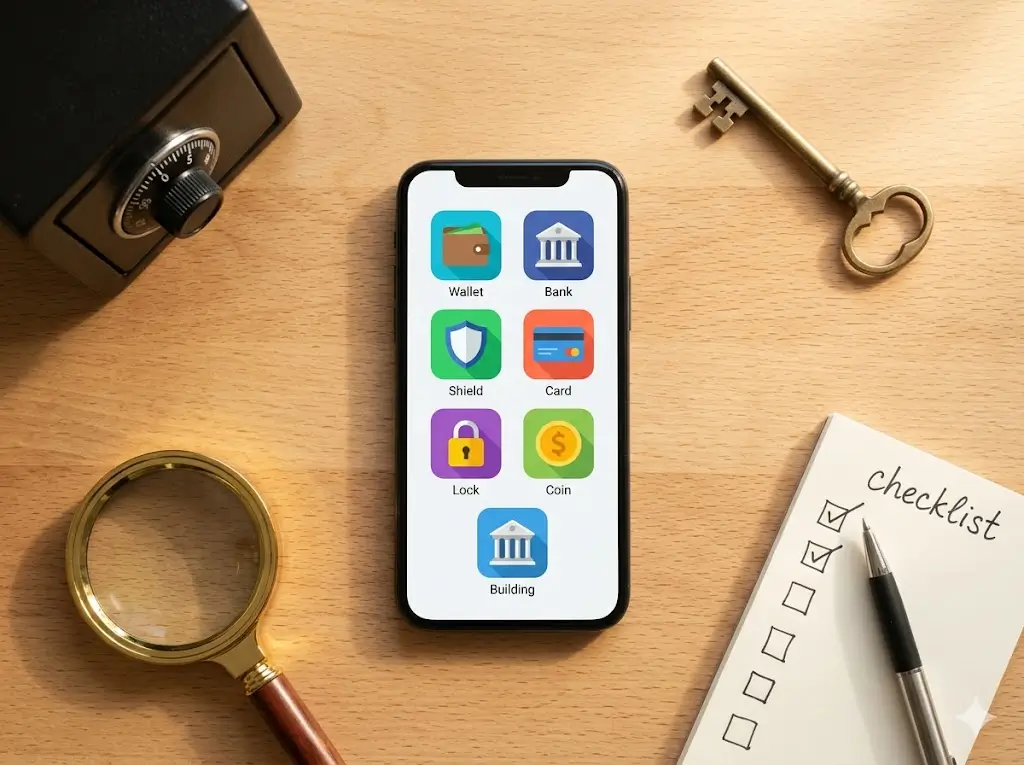
Before you start transferring your hard-earned digital income, it is essential to have the right tools in place. Setting up a high-yield cash management or savings app is incredibly beginner-friendly. Here is your starter checklist:
- A Smartphone or Computer: Access to iOS, Android, or a web browser to download the app and manage your funds.
- Government-Issued ID: A driver’s license or passport for mandatory KYC (Know Your Customer) identity verification.
- Social Security Number (SSN) or ITIN: Required by U.S. financial institutions to open an account and report your tax earnings.
- Initial Investment: $0 to $100. Most top-tier apps today (like Ally, Capital One, or Wealthfront) have zero minimum balance requirements.
- A Linked Checking Account: To seamlessly transfer your online earnings or side hustle payouts into your new holding app.
3. Time Investment
One of the best parts about optimizing where you hold your money is that it requires incredibly little active time, creating a truly passive income experience.
- Setup Time Required: 10 to 15 minutes to download the app, submit your application, and link your external bank accounts.
- Approval Timeline: Instant to 48 hours, depending on the platform’s identity verification process.
- Daily/Weekly Time Commitment: Less than 5 minutes a week. Once automated, it’s a “set-and-forget” system.
- Timeline to First Earnings: Most beginners see results in about 30 days, as interest or dividends are typically paid out at the end of each statement cycle. Compared to traditional monetization strategies that require constant hustle, this is instant and guaranteed yield on your existing capital.

4. Step-by-Step Implementation Guide
Follow these actionable steps to set up the best app to hold money and start maximizing your profit margins today.
Step 1: Choose the Right Financial App
Determine your primary goal. If you want maximum interest, a cash management account like Wealthfront or Vanguard Cash Plus is ideal. If you want a mix of banking features and automated investing, SoFi or Acorns might be better. Evaluate APYs, FDIC insurance limits, and fee structures.
Step 2: Complete the KYC Verification
Download the app from the official App Store or Google Play. Enter your legal name, address, and SSN. Pro Tip: Ensure the address matches your ID exactly to prevent manual review delays.
Step 3: Link Your Revenue Streams
Connect the accounts where you receive your work from home payouts or business income (e.g., PayPal, Stripe, or your traditional local bank). Use Plaid or manual routing numbers to establish the connection.
Step 4: Fund the Account
Transfer your initial deposit. If you are cautious, start by moving just 10% of your digital income to ensure the transfer process works smoothly.
Step 5: Automate Your Savings
Set up auto-transfers. For example, program the app to automatically pull 20% of your weekly earnings into this account. This automation is the secret sauce for effortless financial freedom.
5. Income Potential & Earnings Breakdown
When you choose the best app to hold money, you are essentially opening up a new passive revenue stream. Here is a realistic look at your income potential based on standard 2026 rates (averaging around 3.80% to 4.20% APY).
- Beginner ($5,000 saved): ~ $200 per year in passive interest.
- Intermediate ($20,000 saved): ~ $800 per year in passive interest.
- Advanced ($50,000 saved): ~ $2,000+ per year in passive interest.
Payment Structure: Yields are typically calculated daily and paid out monthly directly to your account balance, allowing your money to compound continuously.
Disclaimer: Earnings are based on variable APY rates which fluctuate with Federal Reserve policies. These projections serve as educational examples, not guaranteed income.
6. Alternative Methods & Variations
If a standard cash management app doesn’t perfectly fit your specific monetization strategies, consider these secure alternatives:
- High-Yield Savings Accounts (HYSAs): Traditional online banks like Marcus by Goldman Sachs or Discover offer slightly less app-focused functionality but boast rock-solid stability and competitive APYs.
- Automated Investment Apps (Robo-Advisors): Apps like Acorns or Betterment sweep your spare change into diversified ETF portfolios. While riskier than holding cash, they offer higher long-term growth potential.
- Treasury Bill Platforms: Platforms like Public.com or TreasuryDirect allow you to hold your cash in government-backed T-bills, often yielding high returns that are exempt from state and local taxes.
- Budgeting Aggregators: If you just want an app to track your money rather than hold it, Monarch Money, YNAB, and Copilot Money provide incredible oversight of your profit margins across multiple bank accounts.
7. Best Practices & Optimization Tips
To squeeze every penny out of your chosen app, follow these proven optimization strategies:
- Turn on 2-Factor Authentication (2FA): Always use an authenticator app (like Authy or Google Authenticator) rather than SMS. Security is paramount when holding digital income.
- Chase Direct Deposit Bonuses: Many apps (like SoFi or Chase) offer sign-up bonuses ranging from $50 to $300 if you route your side hustle payroll or platform payouts directly to them.
- Utilize “Vaults” or “Buckets”: Use app features that allow you to digitally separate your money. Keep 30% in a “Tax Vault” and 70% in a “Profit Vault” to keep your business finances pristine.
- Check Rates Quarterly: Neobanks frequently adjust their APYs. Review your app every 3 to 6 months to ensure you are still getting a top-tier rate.
8. Common Mistakes to Avoid
In the world of online earnings, preserving your capital is just as important as making it. Avoid these critical pitfalls:
- Using Payment Apps as Banks: Do not hold large sums in Venmo, Cash App, or standard PayPal balances long-term. Unless specifically routed into their specialized savings products, these balances are often not FDIC-insured. If the platform crashes, your money could disappear.
- Ignoring Inflation: Keeping cash in a 0.01% traditional bank account means you are losing purchasing power daily.
- Forgetting About Taxes: The interest you earn in these apps is taxable income. You will receive a 1099-INT form at tax time. Failing to report this can lead to IRS penalties.
- Lack of Beneficiaries: Always fill out the “Payable on Death” (POD) or beneficiary section in your app settings to protect your assets for your family.
9. Long-Term Sustainability & Growth
Finding the best app to hold money is only the foundation. To truly build lasting financial freedom, you must transition from a “saving” mindset to a “wealth-building” mindset.
Over time, your idle cash should serve as an emergency fund and a launchpad. Once you have accumulated 3 to 6 months of living expenses in your cash management app, begin redirecting your new revenue streams into appreciating assets. Reinvest your side hustle profits into index funds, real estate, or back into scaling your online business. By using your cash app as a secure, high-yield holding pen, you future-proof your finances and ensure your money is always working for you.
10. Conclusion
Choosing the best app to hold money is a non-negotiable step for anyone serious about growing their online earnings. By utilizing platforms with high APYs, low fees, and FDIC insurance—like Wealthfront, Fidelity, or SoFi—you transform idle cash into a reliable source of passive income. Avoid the trap of zero-interest accounts and start treating your capital with the respect it deserves.
Ready to start your journey? Drop your questions about cash management apps in the comments below! Don’t forget to subscribe for weekly money-making strategies, and share your progress in our community.
11. FAQs
1. How much money can I realistically make holding my cash in these apps?
Depending on the app’s current APY and your balance, you can earn substantial passive interest. For example, a $10,000 balance at a 4.00% APY will generate approximately $400 in interest over a year.
2. Do I need prior financial experience to use these apps?
Not at all. The best financial apps are designed with user-friendly interfaces specifically for beginners. If you can download an app and link a bank account, you have all the experience needed.
3. What’s the initial investment required?
The barrier to entry is practically zero. Most high-yield cash management apps and neobanks require $0 to open an account and charge no monthly maintenance fees.
4. How long until I see results?
Interest is usually calculated daily and deposited into your account at the end of every month. You will see your balance grow within your first 30 days.
5. Are these money-holding apps still safe to use in 2026?
Yes, provided you choose legitimate platforms. Always verify that the app is FDIC-insured (for banks) or SIPC-insured (for brokerages). This protects your funds up to $250,000 (or more, through sweep networks) if the institution fails.
6. What are the risks involved?
The main risk is variable interest rates. If the Federal Reserve lowers rates, your app’s APY will decrease. Additionally, holding money in peer-to-peer payment apps (like standard Venmo balances) carries high risk as they often lack FDIC insurance.
7. Can I use these apps for my side hustle taxes?
Absolutely. Many freelancers and online entrepreneurs use these apps to hold their estimated quarterly taxes. This keeps the tax money separate from operating funds while earning interest until it’s time to pay the IRS.
Disclaimer: The information provided in this article is for educational purposes only and does not constitute financial advice. Always conduct your own research or consult with a certified financial planner before making financial decisions.
Before you go, tap those stars!
Straightforward, no gimmicks, just solid banking advice
I clicked on this article expecting it to push some specific bank or financial product with referral links. I was pleasantly surprised. The advice was unbiased, focused on principles rather than promoting any particular institution, and gave me a clear framework to evaluate my own options. I appreciated that the article addressed the importance of FDIC insurance, automatic transfers, and goal-setting — things that seem obvious but that most people (including me) overlook. The writing was clear and concise, without the usual fluff or overly complex financial jargon. The only reason I’m giving four stars instead of five is that I would have liked even more detail on how to balance saving with paying down debt. Still, this was one of the most practical and trustworthy articles on saving I’ve read in a long time. Highly recommend.
Solid advice that cuts through the noise
I’ve been saving for years, but I kept wondering if my money was actually working as hard as it could be. There’s so much conflicting information out there — regular savings accounts, money market accounts, CDs, high-yield options — it gets confusing fast. This article did an excellent job comparing the options side by side, explaining the pros and cons of each, and helping me figure out which strategy made sense for my situation. I especially appreciated the section on the importance of emergency funds versus long-term savings, and the breakdown of how compound interest really adds up over time. I ended up moving my savings to a high-yield account and setting clearer goals. Practical, well-researched, and genuinely helpful.
Small changes, noticeable results
I’ll be honest — I clicked on this article expecting generic advice like “drive less” (thanks, captain obvious). But I was genuinely impressed. The article breaks down the actual science behind why certain habits affect fuel economy, with real numbers to back it up. I learned that my lead-foot acceleration and speeding were costing me way more than I realized. The section on vehicle maintenance was especially valuable — I didn’t know a dirty air filter could impact mileage that much. The tone was straightforward, no fluff, no upselling expensive products. Just solid, practical advice that actually works. My fuel expenses dropped by about 15% last month without me changing my overall driving needs.
Finally, practical advice that doesn’t require buying a new car
As someone who drives over 400 miles a week for work, gas expenses have been crushing my budget. I’ve read countless articles that basically just say “buy an electric vehicle” — which isn’t helpful when that’s not in my budget. This article was a game-changer. The tips were immediately actionable: combining trips, checking tire pressure (I didn’t realize how much that affects mileage!), and using gas price apps. I started implementing these suggestions last month, and I’ve already saved about $40. The writing was clear, well-organized, and respected that not everyone can just trade in their car. Highly recommend for anyone feeling the pain at the pump.
Perfect for renters who can’t install solar panels
As someone who rents an apartment, I often feel limited when it comes to making my home more energy-efficient. I can’t just install new appliances or add insulation to the walls. This article was a lifesaver because it focused on renter-friendly solutions—things like weatherstripping for doors, smart power strips, and optimizing how I use my existing appliances. The writing was straightforward and didn’t assume I owned a home. My only small critique is that I would have loved even more rent-specific examples, but overall, this was incredibly helpful. My electric bill dropped by about $15 last month!