How to Build a Money Saving Aesthetic
Did you know that 78% of people who try to force themselves into a rigid, restrictive budget end up failing within three months? The truth is, forced frugality often feels like a punishment. If you are constantly struggling to retain enough capital to fund your dream side hustle, the missing link isn’t more willpower—it is your environment. This is where creating a money saving aesthetic becomes your ultimate secret weapon.
Whether you want to generate passive income or successfully transition to a work from home career, protecting your cash flow is mandatory. A money saving aesthetic bridges the psychological gap between your current financial habits and your future online earnings. By purposefully curating your digital and physical spaces to make saving money look and feel luxurious, you naturally protect your profit margins. In this comprehensive guide, we will show you exactly how to design a lifestyle that effortlessly accelerates your path to true financial freedom.
What You’ll Need to Get Started
Curating a money saving aesthetic requires a shift in mindset rather than a massive financial investment. Instead of buying expensive organizers, you will be leveraging digital tools and intentional design to make frugality visually appealing. Here are the core resources you will need:
- Aesthetic Budgeting Tools: Free platforms like Notion, YNAB (You Need A Budget), or custom Google Sheets that offer dark mode, sleek typography, and minimalist layouts.
- Initial Investment: $0. The entire premise of this aesthetic is to extract and retain capital, not to spend it on “budgeting accessories.”
- Decluttering Framework: A willingness to audit your physical workspace and digital subscriptions.
- Visual Inspiration: A curated Pinterest board featuring minimalist workspaces, digital income tracking, and simple living.
- Skill Requirements: Beginner-friendly. You only need basic computer skills to customize your digital dashboards and a commitment to tracking your monetization strategies.
Time Investment
Building a sustainable money saving aesthetic is highly efficient. When compared to the hundreds of hours required to build complex revenue streams, this is a micro-commitment that yields massive behavioral dividends.
- Setup Time Required: 2 to 3 hours to clean up your digital environment, organize your tracking apps, and set up your aesthetic dashboards.
- Daily/Weekly Time Commitment: 5 to 10 minutes daily (to update trackers) and a 30-minute weekly “financial date” to review your progress.
- Timeline to First Earnings (Savings): Immediate. The moment you reorganize your habits, you stop the bleed of impulse spending. Most beginners see a tangible 15-20% reduction in discretionary spending within 60-90 days with consistent effort.
- The Reality Check: Unlike traditional income methods where you trade hours for dollars, this time investment rewires your brain to naturally prioritize your income potential over short-term consumer gratification.
Step-by-Step Implementation Guide
1. Curate Your Digital Feeds
Your digital environment dictates your spending habits. If you constantly see targeted ads, you will spend money.
- Action: Unfollow brands, influencers, and retail accounts that trigger FOMO (Fear Of Missing Out) and impulse buying.
- Execution: Replace them with finance creators, minimalist designers, and accounts focused on online earnings and side hustle growth.
- Pro Tip: Install an ad-blocker on your browser to visually clean up the internet and remove the temptation of targeted retail therapy.
2. Gamify and Beautify Your Finances
Spreadsheets don’t have to be ugly. When your financial trackers are aesthetically pleasing, you will actually want to look at them.
- Action: Build or download a visually stunning Notion template for your budget. Use a cohesive color palette (like sage greens or neutral beiges) that relaxes you.
- Execution: Rename your bank accounts from generic terms (e.g., “Savings Account 1”) to aspirational titles like “Digital Income Seed Fund” or “Bali Work From Home Fund.”
- Pro Tip: Add progress bars and visual thermometers to your dashboards. Seeing a beautiful, animated bar fill up as your profit margins increase is highly motivating.
3. Romanticize the ‘No-Spend’ Days
A money saving aesthetic thrives on making “doing nothing” look incredible.
- Action: Instead of feeling deprived because you aren’t going out to a $50 dinner, turn your night in into a curated experience.
- Execution: Make a homemade pour-over coffee, light a candle, put on an ambient lofi playlist, and spend that time researching your next side hustle.
- Insider Trick: Document your low-cost aesthetic days. Taking beautiful photos of your home-cooked meals or reading setup reinforces that frugality is a lifestyle choice, not a restriction.
4. The Minimalist Workspace Setup
Physical clutter leads to mental clutter, which leads to poor financial decisions.
- Action: Clear your desk. A clean, minimalist workspace directly correlates to higher productivity for your online earnings.
- Execution: Remove all items that don’t directly contribute to your daily tasks. A laptop, a sleek notebook, and a plant are often all you need.
- Pro Tip: When your environment feels like a premium, high-end studio, you are less likely to buy cheap, unnecessary items to fill it.

Income Potential & Earnings Breakdown
While an aesthetic is technically a psychological savings tool, the capital you retain directly funds your income potential. By making saving enjoyable, you free up the cash needed to invest in lucrative revenue streams. Here is a realistic breakdown of how a money saving aesthetic translates into funded businesses:
| Frugal Habit Adopted | Capital Saved (6-12 Mo) | Reinvestment Strategy | Potential Monthly ROI |
|---|---|---|---|
| Romanticizing Home Coffee/Meals | $1,500 – $3,000 | Web Hosting / Blogging | $200 – $1,000+ |
| Minimalist “No-Spend” Weekends | $3,000 – $6,000 | E-commerce / Amazon FBA | $1,000 – $3,500+ |
| Aesthetic Zero-Based Budgeting | $8,000+ | Dividend Stocks / Real Estate | 5-8% Annual Yield |
Note: The income potential listed above reflects realistic projections for beginners who successfully reinvest their saved capital into proven online business models. Results will vary based on market conditions and execution.
Alternative Methods & Variations
Depending on your personal style and neurotype, there are different approaches to customizing your money saving aesthetic:
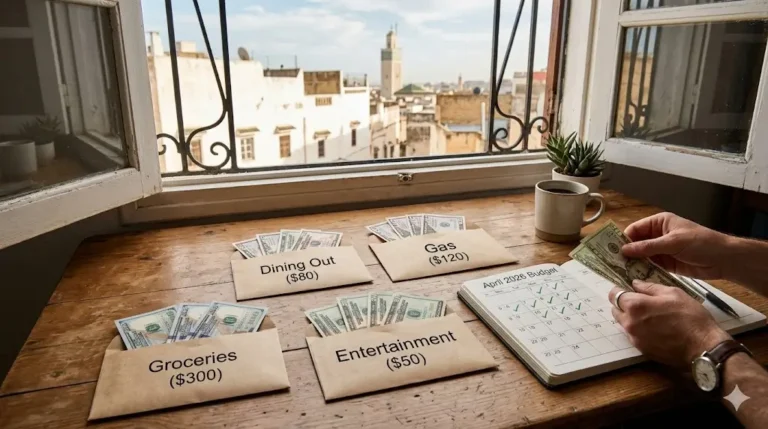
- Aesthetic Cash Stuffing: For those who need physical boundaries, cash stuffing uses beautiful, transparent binders and customized vellum envelopes to categorize physical cash. It makes saving incredibly tactile and visually satisfying.
- Loud Budgeting: A trending variation where you make your financial goals public and socially acceptable. It’s the aesthetic of being confidently transparent about your monetization strategies and politely declining expensive outings.
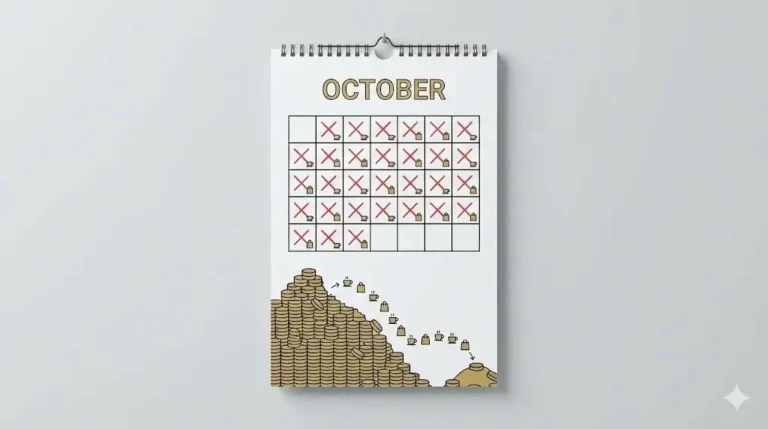
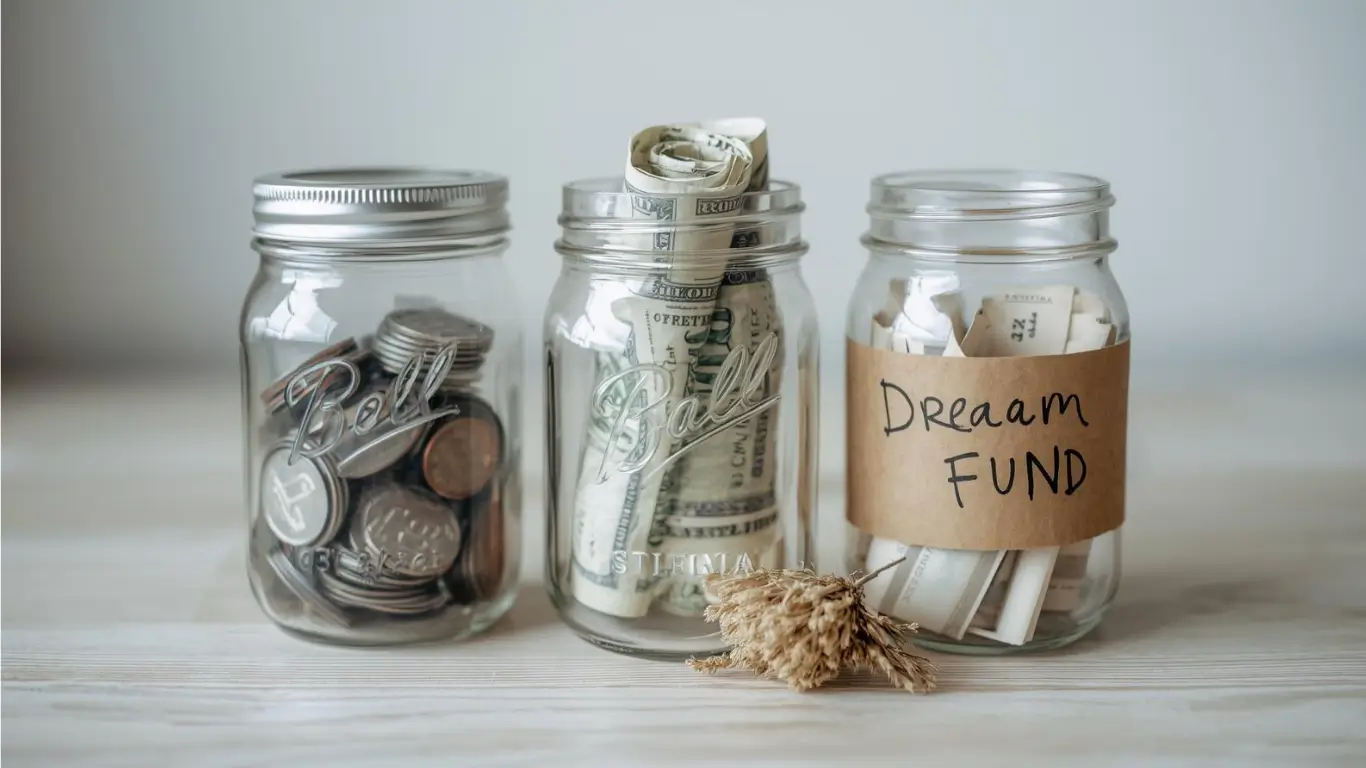
- Bullet Journal Frugality: A low-tech variation using a high-quality dotted notebook and fine-liner pens. You can draw aesthetic savings jars, habit trackers, and debt-payoff mandalas.
- The “Anti-Haul” Approach: Instead of buying things, you actively curate lists of things you didn’t buy, calculating the total saved as a badge of honor.
Best Practices & Optimization Tips
To maximize the impact of your new environment and ensure it leads to genuine financial freedom, follow these optimization strategies:
- Habit Stacking: Pair your aesthetic financial review with a luxury habit. Only allow yourself to drink your favorite premium tea or listen to a specific podcast while you are updating your budget trackers.
- Focus on Utility: Ensure your beautiful dashboards are actually functional. A complex Notion template that takes 20 minutes to update will eventually be abandoned. Keep the friction low.
- Community Immersion: Surround yourself with like-minded individuals. Follow subreddits or Discord channels dedicated to minimalist living, financial independence, and digital income.
Common Mistakes to Avoid
Even the most beautiful money saving aesthetic will fail if you fall into these common traps:
- Spending to Save: The ultimate irony is buying a $60 custom leather budget binder and a $40 set of pastel highlighters just to track your savings. Prevention: Use what you have or stick to free digital tools.
- Aesthetic over Accuracy: Having a gorgeous dashboard that doesn’t actually sync with your real bank account balances. Prevention: Prioritize the math. The aesthetic is the packaging; the numbers are the product.
- Frugal Exhaustion: Forcing yourself into such an extreme minimalist box that you experience burnout. Prevention: Always budget a small percentage of your income for guilt-free, purely joyful spending.
- Stat: Research shows that 40% of people who attempt extreme budgeting quit because the process feels too restrictive. Focusing on the look and feel mitigates this, but you must still allow for flexibility.
Long-Term Sustainability & Growth
As your financial situation improves, your money saving aesthetic should naturally evolve into a wealth-building aesthetic.
Once you have successfully saved your initial seed capital and launched your side hustle, shift your digital dashboards. Replace “Debt Payoff” trackers with “Revenue Streams” and “Profit Margins” charts. Future-proofing your finances means constantly expanding your aesthetic to encompass growth, automation, and investing. When you hit a savings milestone, celebrate it intentionally, and immediately pivot your focus toward scaling your new digital income.
Conclusion
Building a money saving aesthetic is one of the most powerful, low-barrier steps you can take toward securing your financial future. By intentionally curating your digital feeds, beautifying your financial dashboards, and romanticizing your low-cost days, you actively reprogram your brain to love saving. This retained capital becomes the essential lifeblood of your future side hustles and your ultimate path to financial freedom.
Ready to start your journey? Drop your favorite aesthetic budgeting tool in the comments below! Don’t forget to subscribe for weekly money-making strategies, and share your workspace setup in our community!
FAQs
How much money can I realistically make (save)?
While an aesthetic itself doesn’t print cash, it actively reduces impulse spending by shifting your desires. Users who pair a minimalist aesthetic with strict budgeting typically reduce their discretionary spending by 15% to 25% monthly, freeing up vital capital for their side hustles.
Do I need prior experience to build this aesthetic?
Absolutely not. You don’t need a degree in design or finance. Free templates on Notion or Google Sheets make it incredibly beginner-friendly. The only requirement is a willingness to curate your environment.
What’s the initial investment?
Zero dollars! Implementing a money saving aesthetic requires absolutely no upfront capital. Utilizing free digital tools and repurposing your current physical space ensures you are retaining money from day one.
How long until I see results?
You will notice a shift in your mental clarity and spending urges within the first week. As you align your daily environment with your financial goals, the actual monetary savings will become visibly measurable in your bank accounts within 60 to 90 days.
Is this method still working in 2026?
Yes. In an era dominated by algorithmic marketing and one-click purchasing, intentionally curating a minimalist, money-conscious environment is more critical than ever to protect your profit margins.
What are the risks involved?
The primary risk is the “spending to save” trap—buying expensive organizational tools or aesthetic stationery to build the system. Remember, the core philosophy is utilizing free or existing resources.
Before you go, tap those stars!
Straightforward, no gimmicks, just solid banking advice
I clicked on this article expecting it to push some specific bank or financial product with referral links. I was pleasantly surprised. The advice was unbiased, focused on principles rather than promoting any particular institution, and gave me a clear framework to evaluate my own options. I appreciated that the article addressed the importance of FDIC insurance, automatic transfers, and goal-setting — things that seem obvious but that most people (including me) overlook. The writing was clear and concise, without the usual fluff or overly complex financial jargon. The only reason I’m giving four stars instead of five is that I would have liked even more detail on how to balance saving with paying down debt. Still, this was one of the most practical and trustworthy articles on saving I’ve read in a long time. Highly recommend.
Solid advice that cuts through the noise
I’ve been saving for years, but I kept wondering if my money was actually working as hard as it could be. There’s so much conflicting information out there — regular savings accounts, money market accounts, CDs, high-yield options — it gets confusing fast. This article did an excellent job comparing the options side by side, explaining the pros and cons of each, and helping me figure out which strategy made sense for my situation. I especially appreciated the section on the importance of emergency funds versus long-term savings, and the breakdown of how compound interest really adds up over time. I ended up moving my savings to a high-yield account and setting clearer goals. Practical, well-researched, and genuinely helpful.
Small changes, noticeable results
I’ll be honest — I clicked on this article expecting generic advice like “drive less” (thanks, captain obvious). But I was genuinely impressed. The article breaks down the actual science behind why certain habits affect fuel economy, with real numbers to back it up. I learned that my lead-foot acceleration and speeding were costing me way more than I realized. The section on vehicle maintenance was especially valuable — I didn’t know a dirty air filter could impact mileage that much. The tone was straightforward, no fluff, no upselling expensive products. Just solid, practical advice that actually works. My fuel expenses dropped by about 15% last month without me changing my overall driving needs.
Finally, practical advice that doesn’t require buying a new car
As someone who drives over 400 miles a week for work, gas expenses have been crushing my budget. I’ve read countless articles that basically just say “buy an electric vehicle” — which isn’t helpful when that’s not in my budget. This article was a game-changer. The tips were immediately actionable: combining trips, checking tire pressure (I didn’t realize how much that affects mileage!), and using gas price apps. I started implementing these suggestions last month, and I’ve already saved about $40. The writing was clear, well-organized, and respected that not everyone can just trade in their car. Highly recommend for anyone feeling the pain at the pump.
Perfect for renters who can’t install solar panels
As someone who rents an apartment, I often feel limited when it comes to making my home more energy-efficient. I can’t just install new appliances or add insulation to the walls. This article was a lifesaver because it focused on renter-friendly solutions—things like weatherstripping for doors, smart power strips, and optimizing how I use my existing appliances. The writing was straightforward and didn’t assume I owned a home. My only small critique is that I would have loved even more rent-specific examples, but overall, this was incredibly helpful. My electric bill dropped by about $15 last month!