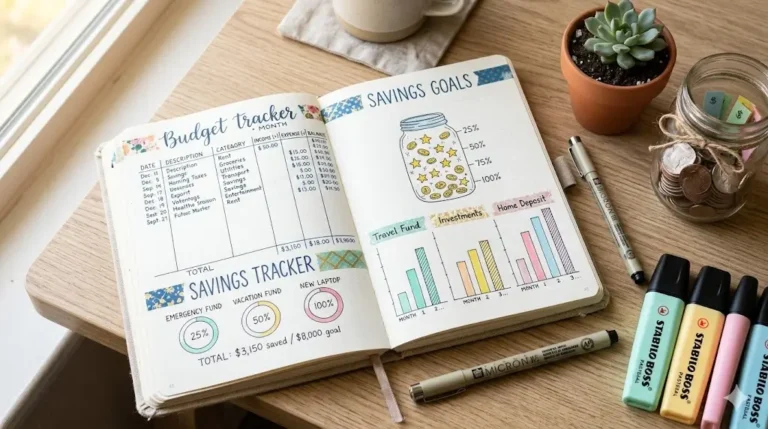

How to Budget with Irregular Income
Did you know that 67% of online entrepreneurs fail because they skip this ONE crucial step? While most focus on scaling their revenue streams or perfecting their monetization strategies, they neglect the foundation: cash flow management. If your income fluctuates like a heart rate monitor, you are not alone. Whether you are a freelancer, a content creator, or someone running a side hustle, the struggle to find a balance between “feast” and “famine” months is the primary barrier to financial freedom.
Learning how to budget with irregular income is the ultimate “survival of the fittest” skill in the digital economy. Without a system, a high-earning month can lead to lifestyle creep, while a low-earning month can lead to debt. In this guide, we will break down the exact framework used by successful digital nomads and work from home professionals to stabilize their finances, protect their profit margins, and ensure their online earnings pave the way to long-term wealth.
What You’ll Need to Get Started
To master how to budget with irregular income, you don’t need a high-priced accountant. You need a transparent system and a few specific tools.
- Financial Tracking Dashboard: A robust spreadsheet (Google Sheets) or an app like YNAB (You Need A Budget), which is specifically designed for the “give every dollar a job” philosophy.
- Historical Data: At least 6-12 months of bank statements to identify your “floor” and “ceiling” income months.
- The “Three-Account” System: * A Business/Side Hustle Checking (where digital income lands).
- A Tax/Emergency Savings account (High-Yield Savings).
- A Personal Spending account (your “Salary”).
- Initial Investment: $0 (using free templates) to $15/month (for premium apps).
- Skill Requirements: Basic math and the discipline to “pay yourself a salary” rather than spending everything you earn.
💰 Income Pivot Optimizer
Calculate your safe “Take-Home Salary” and Tax Reserve based on your average irregular income.
Your Suggested Monthly Salary (Step 5):
Time Investment
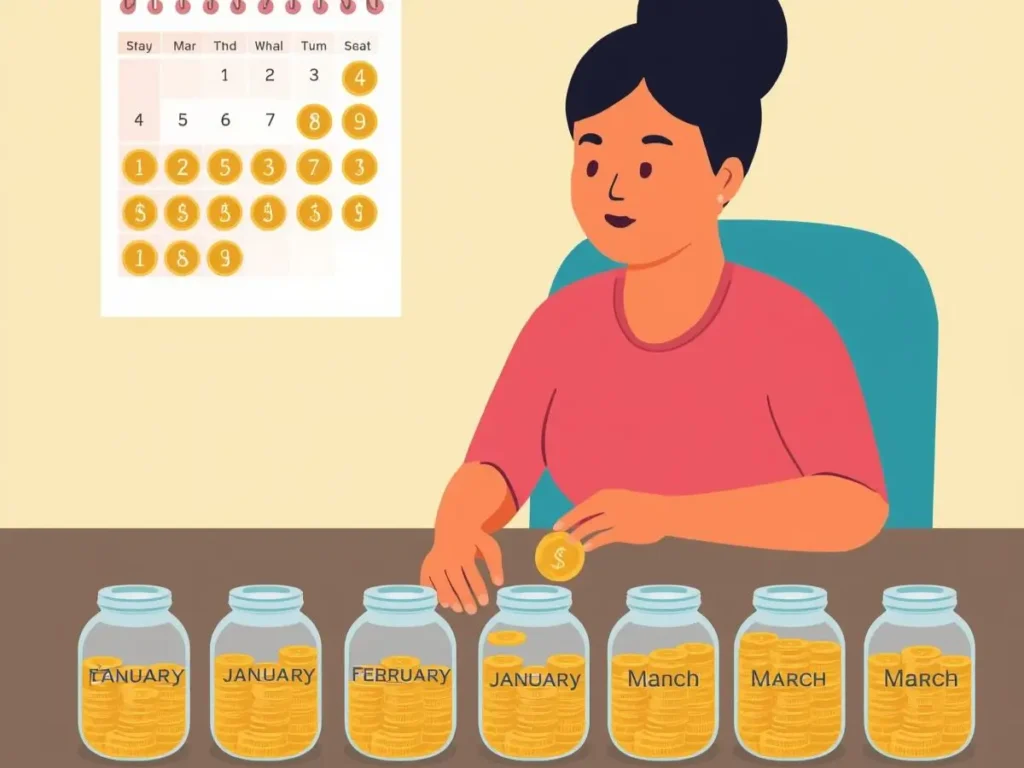
Setting up a system to manage a fluctuating income potential is a front-loaded task that pays dividends in peace of mind.
- System Setup: 2–3 hours. This involves auditing your past 12 months of income to find your average and baseline.
- Weekly Reconciling: 20 minutes. A quick “Friday Audit” to see which invoices were paid and where that money needs to go.
- Monthly Forecasting: 45 minutes. Adjusting for upcoming “valley” months where earnings might dip.
- Timeline to Results: Most beginners feel “in control” of their money within 60 to 90 days of consistent effort.
- Comparison: Traditional employees get a predictable check every two weeks. As an entrepreneur, you are the CEO and the Payroll department—it takes slightly more effort, but it unlocks uncapped online earnings.
Step-by-Step Implementation Guide
1. Calculate Your “Baseline” Income (The Floor)
When you budget with irregular income, you cannot budget based on your best month. Look at the last 12 months and find your lowest earning month. This is your “Floor.”
- Action: Your fixed personal expenses (rent, food, basic utilities) must be covered by this floor. If they aren’t, your first goal is to increase your baseline revenue streams.
2. Establish the “Hill and Valley” Fund
This is a dedicated savings account that acts as a buffer.
- Step: In high-earning months (“Hills”), you deposit anything above your average income into this fund.
- Step: In low-earning months (“Valleys”), you withdraw from this fund to cover your “Salary.” This creates a synthetic fixed income.
3. The “Tax First” Rule
The biggest mistake in the work from home world is forgetting the IRS.
- Pro Tip: Every time a payment hits your business account, immediately move 20–30% into a separate tax savings account. Do not even count it as income. This protects your profit margins from year-end surprises.
4. Create a Priority-Based Expense List
List your expenses in order of importance.
- Essentials (Housing, Groceries, Utilities).
- Business Growth (Web hosting, tools for your monetization strategies).
- Wants (Dining out, streaming services).
- Action: When money comes in, fill these buckets in order. If the money runs out at bucket #2, bucket #3 doesn’t get funded that month.
5. Pay Yourself a “Salary”
Instead of spending money directly from your side hustle earnings, transfer a fixed amount on a set date (e.g., the 1st and 15th) from your business account to your personal account. This psychologically separates you from the volatility of your business.
Income Potential & Earnings Breakdown
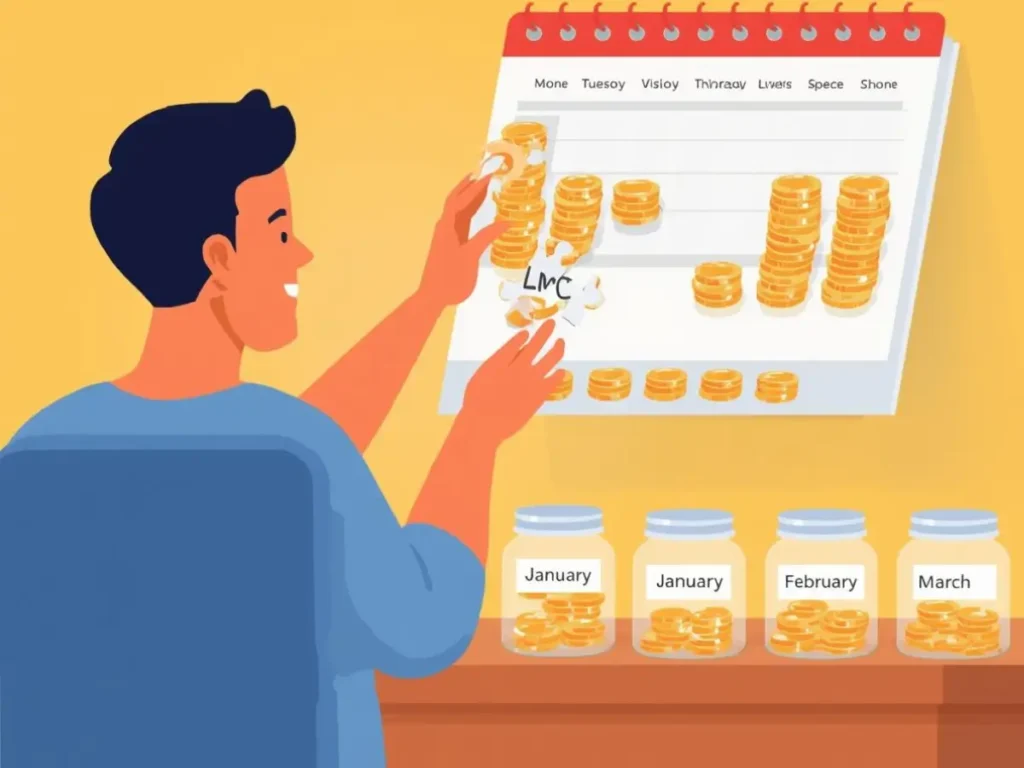
How does budgeting actually help you make more money? It allows you to reinvest with confidence. When your “Floor” is covered, every extra dollar is capital for growth.
| Income Tier | Monthly Average | Buffer Fund Target | Growth Potential |
| Emerging (Side Hustle) | $500 – $1,500 | $2,000 | Reinvest in skills/tools |
| Stable (Freelancer) | $3,000 – $6,000 | $10,000 | Expand revenue streams |
| Scale (Entrepreneur) | $10,000+ | $30,000+ | Diversify into passive income |
Case Study: A freelance writer had months ranging from $2,000 to $8,000. By fixing their personal salary at $4,000 and putting the rest into a “Hill and Valley” fund, they were able to weather a 3-month dry spell without touching their credit cards, eventually using the surplus to fund a niche site that generates passive income.
Alternative Methods & Variations
There is no “one size fits all” for digital income management:
- The Percentage Method: Instead of fixed dollar amounts, allocate 50% to needs, 30% to wants, and 20% to savings. This naturally adjusts to your income level each month.
- Zero-Based Budgeting: Best for those with high discipline. Give every dollar a “job” until your balance is $0.
- The Two-Month Buffer: The goal is to live off last month’s income. This means your April expenses are paid with March’s earnings. This is the gold standard for financial freedom.
Best Practices & Optimization Tips
- High-Yield Everything: Keep your buffer fund in a High-Yield Savings Account (HYSA). Let your “Hill and Valley” fund earn its own online earnings via interest.
- Quarterly Audits: Every 90 days, review your “Salary.” If your business has grown, give yourself a modest raise, but keep your profit margins healthy.
- Automate the Tax Move: Many banks allow you to automatically route a percentage of incoming transfers to a sub-account. Use this!
- Tool of the Trade: Use a tool like Wave Accounting or QuickBooks to track your business expenses separately from your personal budget.
Common Mistakes to Avoid
- The “Winning Streak” Trap: Thinking a $10,000 month means every month will be $10,000. Statistics show that 42% of freelancers fail because they inflate their lifestyle after one good quarter.
- Ignoring Irregular Expenses: Annual car registrations or quarterly software renewals are NOT surprises. They are predictable. Prevention: Divide annual costs by 12 and include them in your monthly baseline.
- Neglecting the Emergency Fund: A “Hill and Valley” fund is for income smoothing; an Emergency Fund is for disasters (medical, car repair). You need both.
- Mixing Finances: Using your business credit card for a personal dinner. This makes it impossible to see your true income potential and ruins your data.
Long-Term Sustainability & Growth
The goal of learning how to budget with irregular income is to stop being a “manager of scarcity” and become a “manager of abundance.”
- Reinvestment: Once your buffer fund is full, redirect your “Hill” surpluses into monetization strategies like paid ads or outsourcing content creation.
- Automation: As your income stabilizes, use tools to automate your entire financial flow—from invoice to tax account to salary.
- Future-Proofing: Diversify your revenue streams. If your income is irregular because you rely on one client, use your budget surplus to build passive income assets like courses or affiliate sites.
Conclusion
Mastering your money while living with a fluctuating income is the secret weapon of the modern entrepreneur. By calculating your floor, building a “Hill and Valley” fund, and paying yourself a fixed salary, you protect your profit margins and create the stability required for financial freedom. Don’t let your online earnings be a source of stress—make them a tool for your future.
Ready to start your journey? Drop your questions in the comments below! Subscribe for weekly money-making strategies, and share your progress in our community!
FAQs
How much money can I realistically make with a side hustle?
Earnings vary, but a well-managed side hustle can generate anywhere from $500 to $5,000+ monthly. The key is how you manage that money to ensure it grows.
Do I need prior experience to start a budget?
No. Most tools are designed for beginners. The “Hill and Valley” method is intuitive once you have your bank statements in front of you.
What’s the initial investment?
You can start for $0 using a notebook or a free Google Sheet. The true investment is the time spent auditing your data.
How long until I see results?
You will feel the psychological relief immediately. Tangible financial stability usually takes 60–90 days as you build your first buffer.
Is this method still working in 2026?
Absolutely. With the rise of the “gig economy” and more people looking to work from home, managing irregular income is more relevant now than ever.
What are the risks involved?
The biggest risk is “under-budgeting” for taxes. Always prioritize your tax account to avoid legal and financial headaches later.