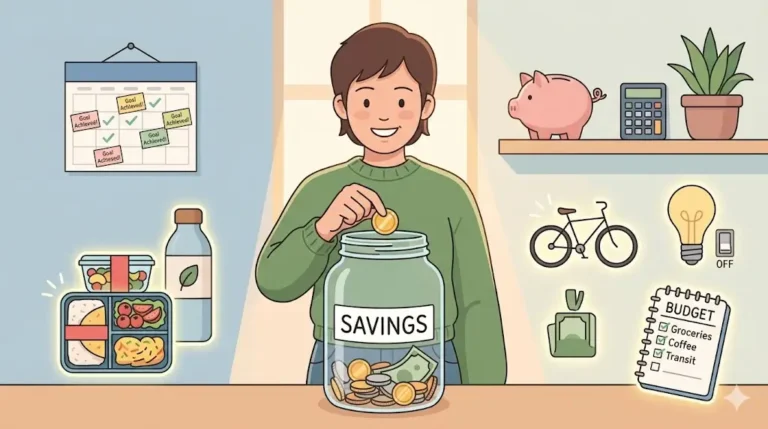
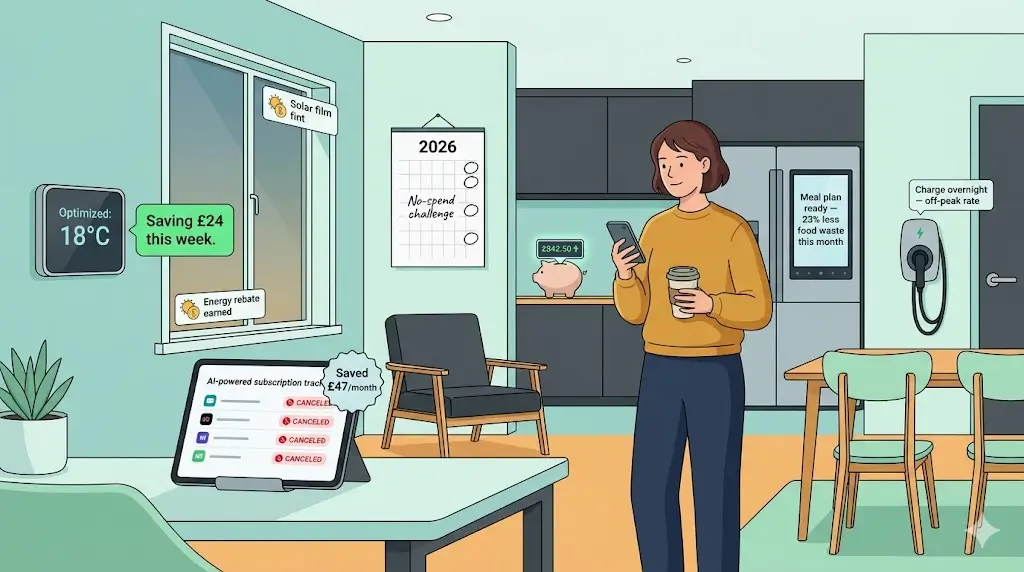
Practical Ways to Save Money in 2026 and Lower Your Bills
Did you know that over 82% of aspiring online entrepreneurs fail to launch their projects simply because they mismanage their existing cash flow? In the rush to build passive income and launch new side hustles, many people completely overlook the most critical foundational step: mastering the money they already have. With economic shifts and rising digital subscription costs, finding effective ways to save money in 2026 is no longer just about frugality—it is a mandatory strategy for achieving true financial freedom.
If you are struggling to find the seed capital to invest in a work from home business, the problem likely isn’t your income; it’s your unoptimized expenses. By treating your personal household budget exactly like a business profit margin, you can systematically plug financial leaks and instantly free up capital.
Quick Answer
The most effective ways to save money in 2026 involve leveraging AI-driven budgeting apps, automating your bill negotiations, and ruthlessly auditing digital subscriptions. By treating your household expenses like a corporate balance sheet, you can instantly free up hundreds of dollars a month to fund high-yield investments, side hustles, and scalable online earnings.
What You’ll Need to Get Started
Optimizing your personal finances is the most accessible and high-yield monetization strategy you can undertake today. You do not need a degree in finance, expensive software, or a business loan to take control of your wealth.
Required Tools & Resources:
- An AI-Enhanced Financial Dashboard: A budgeting web app (like TrackThrift) or an automated spending tracker that utilizes 2026 machine learning to categorize your habits.
- Your Digital Financial Data: Secure access to your last 90 days of bank and credit card statements to accurately assess your current spending.
- A High-Yield Savings Account (HYSA): A dedicated, high-interest account to securely store your newly freed-up capital.
- Cashback & Reward Extensions: Modern browser extensions (like Rakuten or Honey) installed on your primary shopping devices.
Initial Investment Breakdown:
- Estimated Cost: $0.00. The best tools for auditing your personal finances are completely free to use.
- Skill Requirements: Beginner-friendly. You only need basic organizational skills and the honesty to face your spending habits without making excuses.
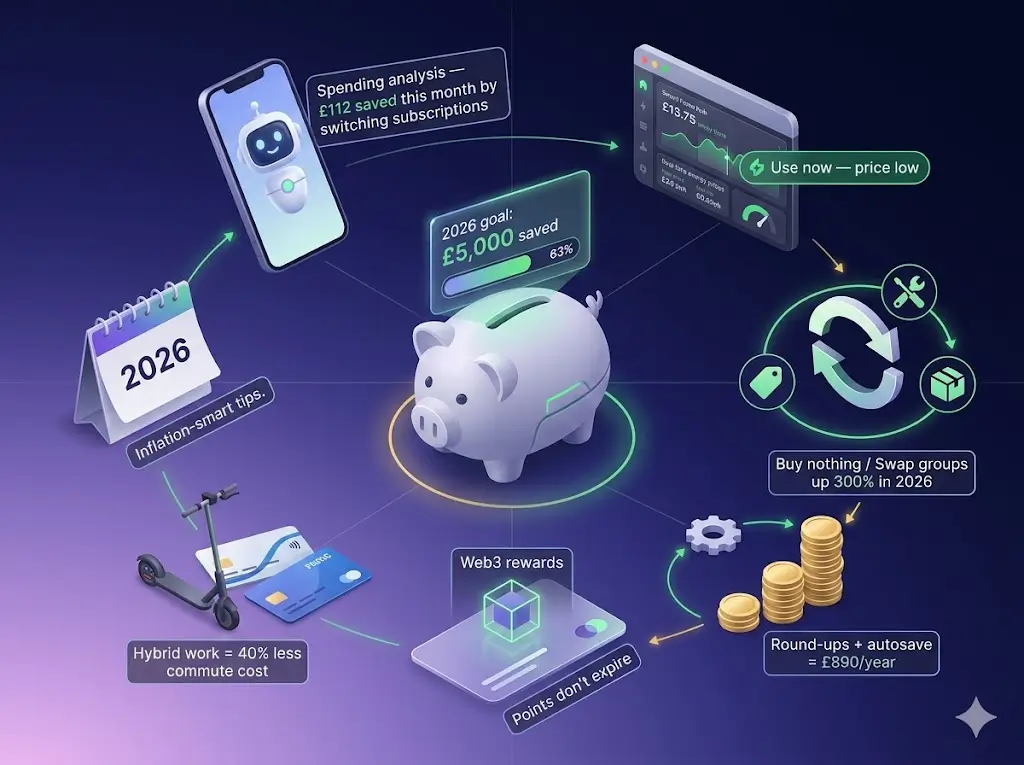
Time Investment
Unlike building an affiliate marketing blog, launching a YouTube channel, or scaling a digital product—which can take months to yield consistent returns—optimizing your budget provides a massive, immediate return on your time.
- Setup Time Required: 1 to 2 hours for your initial financial audit and linking your accounts to a secure tracking dashboard.
- Daily/Weekly Time Commitment: 10 to 15 minutes a week to categorize transactions, review AI-flagged overspending, and ensure you are staying on target.
- Timeline to First “Earnings”: Most beginners see a tangible increase in their available cash flow within their first 30 to 60 days of consistent tracking.
- Comparison: Building a digital income stream that generates $250 a month takes significant effort and marketing. Cutting $250 a month in wasteful spending achieves the exact same positive impact on your net worth, instantly and completely tax-free.
Step-by-Step Implementation Guide
Step 1: Deploy Automated Subscription Auditing
In 2026, the average household loses over $1,200 a year to forgotten “ghost” subscriptions. Use a free financial app to scan your connected bank accounts and automatically flag recurring charges. Cancel unused streaming services, AI software tools, and gym memberships immediately.
Step 2: Utilize AI for Reverse Meal Planning
Grocery prices remain a massive variable expense. Instead of walking into a store blindly, use free generative AI tools (like ChatGPT) to perform “reverse meal planning.” Input the ingredients you already have in your fridge and pantry, and ask the AI to generate a 5-day meal plan. You will instantly cut your weekly grocery bill by 20% or more.
Step 3: Automate Your Bill Negotiation
You no longer have to spend hours on hold with your internet or insurance provider. Utilize modern bill negotiation services or AI bots that contact your providers on your behalf to secure lower promotional rates. They typically only charge a percentage of the money they save you, making it a risk-free endeavor.
Step 4: Slay “Vampire” Energy with Smart Tech
Phantom energy from devices plugged in 24/7 drains your budget. Invest $20 in a few smart power strips that automatically cut power to your home office and entertainment centers when they go into standby mode.
Step 5: Route Savings to a “Side Hustle Fund”
Do not rely on willpower to save the money you’ve freed up. Set up an automatic transfer so that the exact amount you saved on your slashed bills is immediately moved into a dedicated “Side Hustle Fund” or HYSA.
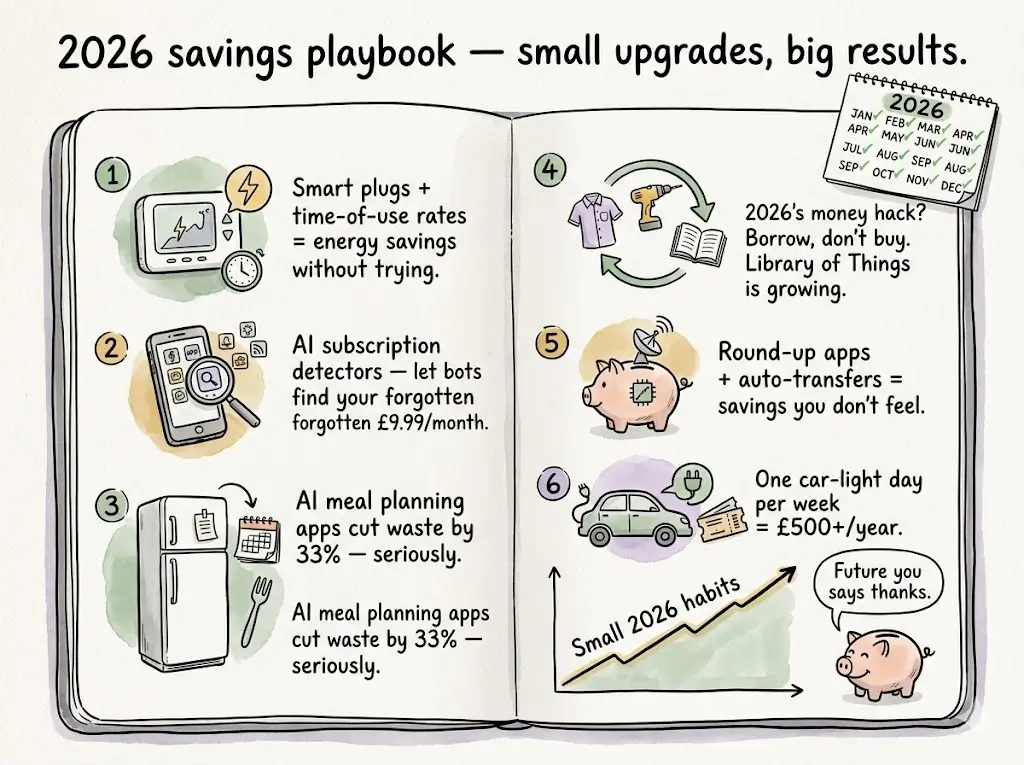
Income Potential & Earnings Breakdown
When you implement these foundational strategies, the financial impact is identical to giving yourself a massive raise. Think of your budget cuts as tax-free digital income that actively funds your future projects.
Want to see exactly how much capital you could free up? Use our interactive budgeting calculator below to apply modern saving rules to your own income!
[Insert WordPress Calculator Shortcode Here]
Here is a realistic look at how tracking your spending translates into newfound capital:
| Savings Strategy | Estimated Monthly Savings | Annual Capital Created | Best Reinvestment Use |
|---|---|---|---|
| Auditing Digital Subscriptions | $40 – $90 | $480 – $1,080 | Web hosting and domain names |
| AI Reverse Meal Planning | $150 – $300 | $1,800 – $3,600 | Seed money for e-commerce inventory |
| Automated Bill Negotiation | $50 – $100 | $600 – $1,200 | High-Yield Savings for compound interest |
| Total Reclaimed Income | $240 – $490+ | **$2,880 – $5,880+** | Investing to build scalable revenue streams |
Note: Individual results vary heavily based on your current baseline income, spending habits, and geographical cost of living.
Alternative Methods & Variations
If traditional line-item budgeting feels too restrictive, try these highly effective modern variations:
- The 50/30/20 Rule: A percentage-based approach where 50% of your income goes to needs, 30% to wants, and 20% strictly to savings, debt payoff, or funding your online business.
- Digital Cash Stuffing: A modern take on the envelope system. Use banking apps that allow you to create digital “vaults” or “buckets” for specific spending categories. When the digital bucket is empty, you stop spending.
- The “Pay Yourself First” Method: A minimalist approach where you automate a 20% transfer to your investments on payday, and then allow yourself to spend whatever is left in your primary checking account guilt-free.
Best Practices & Optimization Tips
To truly maximize your savings rate and accelerate your path to digital income generation, adopt a CEO mindset regarding your personal finances:
- Separate Business and Personal Funds: If you run a side hustle, never mix your online earnings with your grocery money. Open a dedicated checking account for your business to easily track your true profit margins.
- Stack Your Rewards: Maximize online earnings by stacking deals. Buy a needed item through a cashback portal, pay with a 2% cashback credit card (if you pay it in full every month), and scan the final receipt for rewards points.
- Gamify Your Savings: Challenge yourself to a “No-Spend Weekend” where you rely entirely on free entertainment and food already in your pantry to instantly boost your savings rate.
Common Mistakes to Avoid
Even well-intentioned beginners fall into budgeting traps that silently erode their wealth. Protect your progress by avoiding these common pitfalls:
- Setting Unrealistic Restrictions: Slashing your “Wants” budget to zero will result in “budget burnout.” You will inevitably binge-spend. Leave room for small, calculated joys so your financial plan remains sustainable.
- Ignoring the “Buy Now, Pay Later” Trap: Services like Klarna or Afterpay mask the true cost of items. Avoid them entirely; if you cannot afford the item in cash today, you cannot afford it.
- Treating Savings as an Afterthought: If you wait until the end of the month to save “whatever is left over,” you will usually find that nothing is left. Always automate your savings first.
Long-Term Sustainability & Growth
Implementing the best ways to save money in 2026 is only the first half of the wealth-building equation. True financial freedom is achieved through what you do with your surplus capital over time.
As your budget tightens and your savings grow, you must actively guard against lifestyle creep. If you land a promotion, get a raise, or scale your online side hustle, do not immediately upgrade your car or apartment. Maintain your optimized living expenses and funnel 100% of that new income into your investment portfolio.
Channel your reclaimed capital into creating scalable passive income. Whether you use your $5,000 in annual budget savings to buy dividend-paying stocks, fund a real estate venture, or launch an automated digital product, leverage your mastered budget to build systems that will eventually replace your 9-to-5 job.
Conclusion
Securing your personal financial baseline is the absolute prerequisite to building sustainable wealth. By implementing these practical ways to save money in 2026, you stop the quiet drain on your resources and systematically buy back your own capital. You aren’t just restricting your spending; you are actively generating the seed money necessary to fund your entrepreneurial dreams.
The key to a successful budget is ongoing accountability. We highly recommend utilizing an intuitive tracking platform like TrackThrift to easily monitor your monthly saving and spending habits. It’s the perfect companion tool to ensure your newfound capital is actively funneled toward your ultimate financial goals!
Ready to start your journey? Let us know which money-saving strategy you plan to try first in the comments below! Don’t forget to subscribe for our weekly monetization strategies, and share your wealth-building progress in our community forums!
FAQs
1. How much money can I realistically save in my first month of tracking?
Most households can easily find $150 to $300 in their first 30 days simply by auditing their accounts, canceling unused digital subscriptions, and utilizing AI for strict meal planning.
2. Do I need financial experience to use modern budgeting apps?
Not at all. You just need a clear understanding of your monthly take-home pay and a list of your recurring expenses. Modern AI-driven apps automate the difficult math and categorization for you.
3. What’s the initial investment to optimize my finances in 2026?
Zero dollars. The tools you need to get started—like budgeting templates, bank apps, and expense trackers—are entirely free.
4. How long until I see results from these strategies?
You will see immediate cash flow improvements on your very next billing cycle. Within 60 to 90 days, you will notice a significant, tangible increase in your bank balances as your habits shift.
5. Are these budgeting methods safe to link to my bank?
Yes. Reputable budgeting apps and financial dashboards use bank-level encryption (256-bit AES) and read-only access to analyze your data, meaning they cannot actually move your money.
6. What are the risks involved in extreme budgeting?
The main risk is “budget burnout,” which leads to frustration and binge-spending. It is vital to build a realistic framework (like the 50/30/20 rule) that still allows for discretionary fun money so your financial plan remains sustainable long-term.
Before you go, tap those stars!
Straightforward, no gimmicks, just solid banking advice
I clicked on this article expecting it to push some specific bank or financial product with referral links. I was pleasantly surprised. The advice was unbiased, focused on principles rather than promoting any particular institution, and gave me a clear framework to evaluate my own options. I appreciated that the article addressed the importance of FDIC insurance, automatic transfers, and goal-setting — things that seem obvious but that most people (including me) overlook. The writing was clear and concise, without the usual fluff or overly complex financial jargon. The only reason I’m giving four stars instead of five is that I would have liked even more detail on how to balance saving with paying down debt. Still, this was one of the most practical and trustworthy articles on saving I’ve read in a long time. Highly recommend.
Solid advice that cuts through the noise
I’ve been saving for years, but I kept wondering if my money was actually working as hard as it could be. There’s so much conflicting information out there — regular savings accounts, money market accounts, CDs, high-yield options — it gets confusing fast. This article did an excellent job comparing the options side by side, explaining the pros and cons of each, and helping me figure out which strategy made sense for my situation. I especially appreciated the section on the importance of emergency funds versus long-term savings, and the breakdown of how compound interest really adds up over time. I ended up moving my savings to a high-yield account and setting clearer goals. Practical, well-researched, and genuinely helpful.
Small changes, noticeable results
I’ll be honest — I clicked on this article expecting generic advice like “drive less” (thanks, captain obvious). But I was genuinely impressed. The article breaks down the actual science behind why certain habits affect fuel economy, with real numbers to back it up. I learned that my lead-foot acceleration and speeding were costing me way more than I realized. The section on vehicle maintenance was especially valuable — I didn’t know a dirty air filter could impact mileage that much. The tone was straightforward, no fluff, no upselling expensive products. Just solid, practical advice that actually works. My fuel expenses dropped by about 15% last month without me changing my overall driving needs.
Finally, practical advice that doesn’t require buying a new car
As someone who drives over 400 miles a week for work, gas expenses have been crushing my budget. I’ve read countless articles that basically just say “buy an electric vehicle” — which isn’t helpful when that’s not in my budget. This article was a game-changer. The tips were immediately actionable: combining trips, checking tire pressure (I didn’t realize how much that affects mileage!), and using gas price apps. I started implementing these suggestions last month, and I’ve already saved about $40. The writing was clear, well-organized, and respected that not everyone can just trade in their car. Highly recommend for anyone feeling the pain at the pump.
Perfect for renters who can’t install solar panels
As someone who rents an apartment, I often feel limited when it comes to making my home more energy-efficient. I can’t just install new appliances or add insulation to the walls. This article was a lifesaver because it focused on renter-friendly solutions—things like weatherstripping for doors, smart power strips, and optimizing how I use my existing appliances. The writing was straightforward and didn’t assume I owned a home. My only small critique is that I would have loved even more rent-specific examples, but overall, this was incredibly helpful. My electric bill dropped by about $15 last month!